Categories
- Kits3MAX PRO, BASIC and a backpack without gear
- Products24Flashlights, filters, tools, sleeping bags
- Add-ons9Modules, radios, bag, crate
- Equipment4Emergency food, tourniquet
- Outlet1
Kits
Help with choosing and ordering+48 535 399 596Mon to Fri, 9:00 to 16:00 Polish time
For example
Products
Results 0
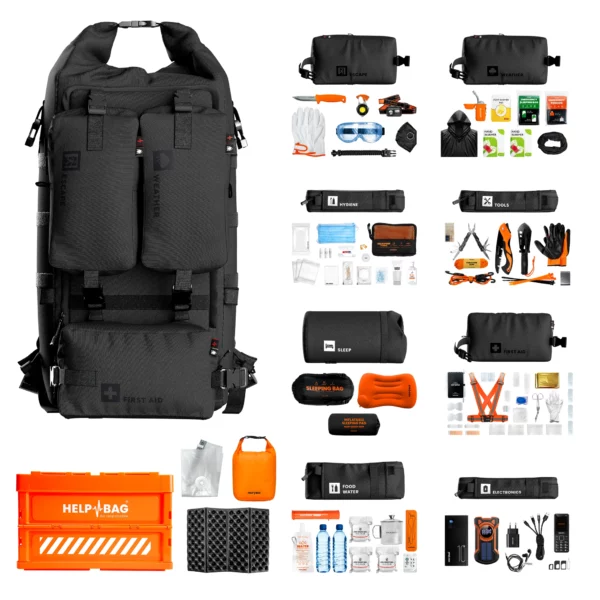 HELP BAG MAX PRO Emergency KitUS$819.99Kits emergency backpack, go bag, emergency kit
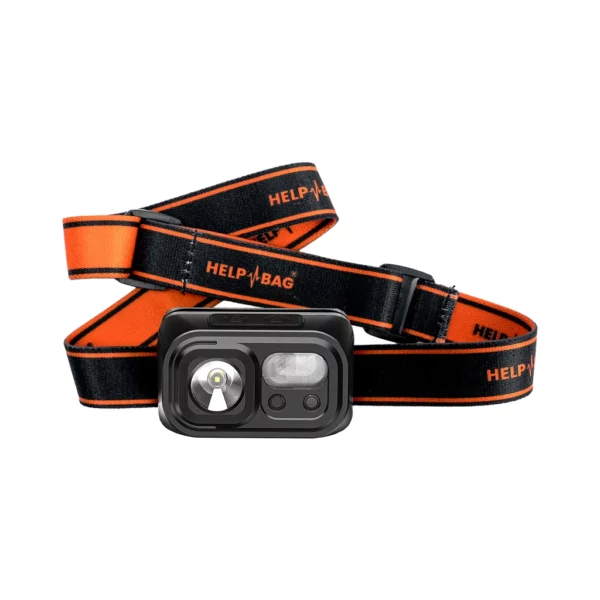 HELP BAG USB-C HeadlampUS$10.99Products
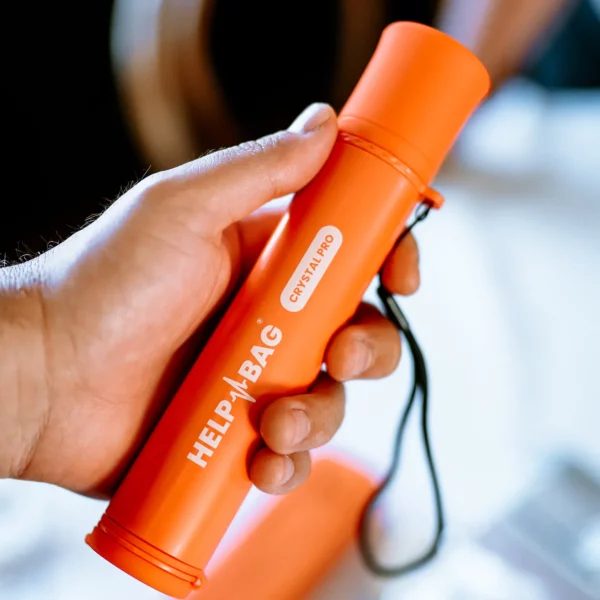 HELP BAG Crystal Pro Water-Filtering StrawUS$44.99Products
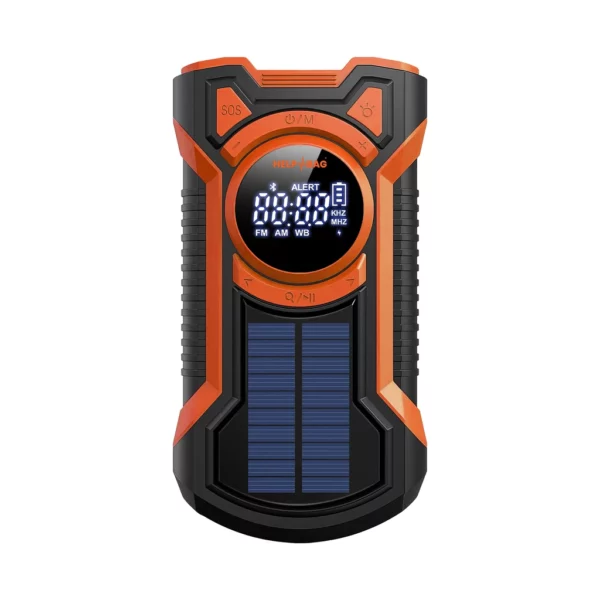 Signal One HELP BAG Dynamo-Powered Radio, 5000 mAhUS$44.99Add-ons
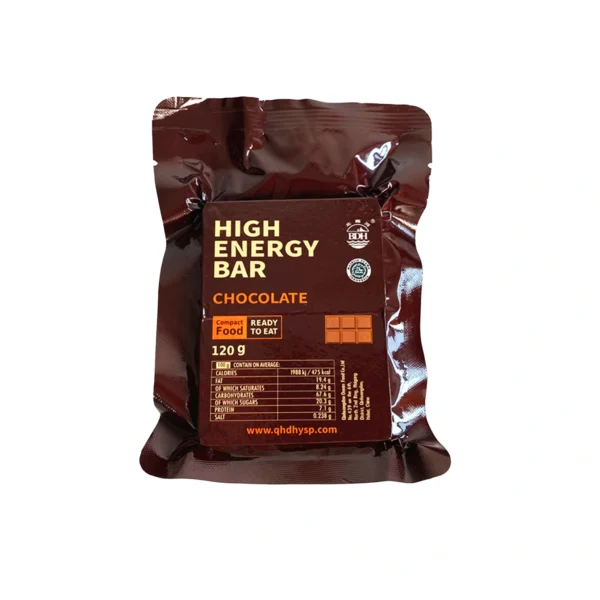 BDH Energy Bar - ChocolateUS$5.99Equipment
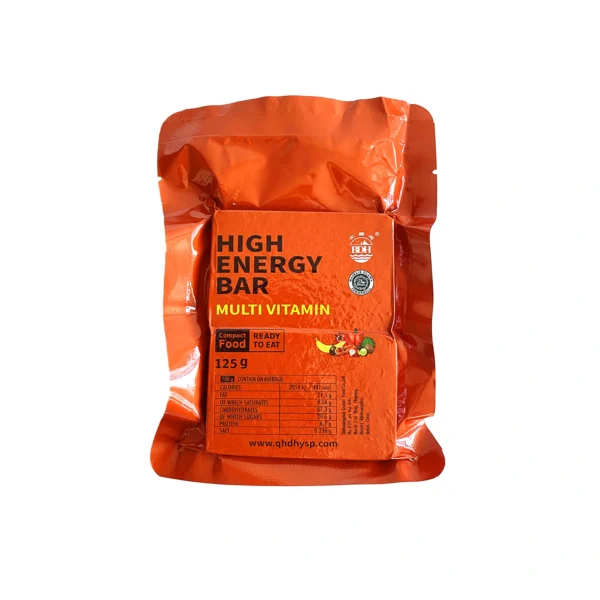 BDH Energy Bar - MultivitaminUS$5.99Equipment
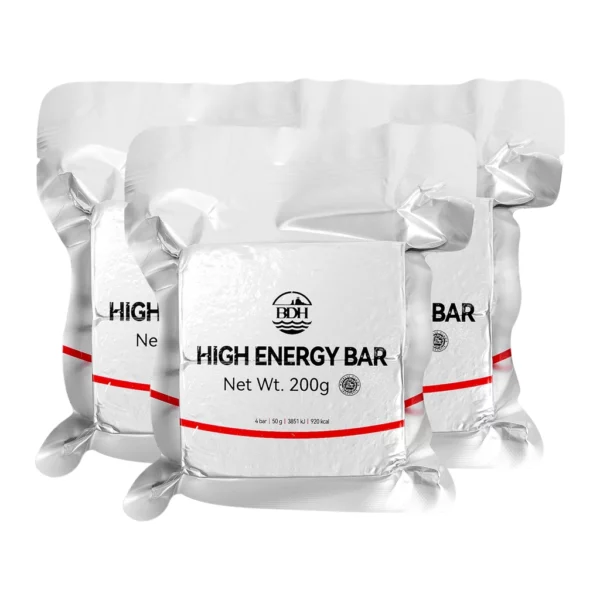 BDH Energy Bar – Regular 200 g Price range: US$9.51 through US$103.26Equipment
 HELP BAG Checklists (Digital) Price range: US$5.99 through US$14.99Products
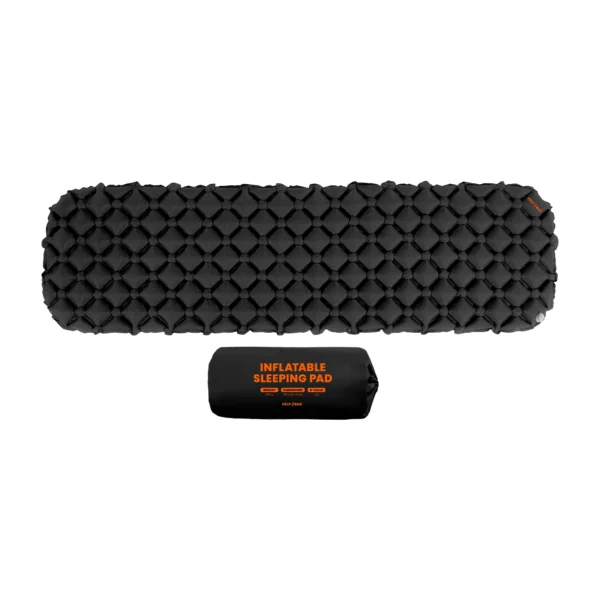 HELP BAG Inflatable Sleeping MatUS$35.99Products
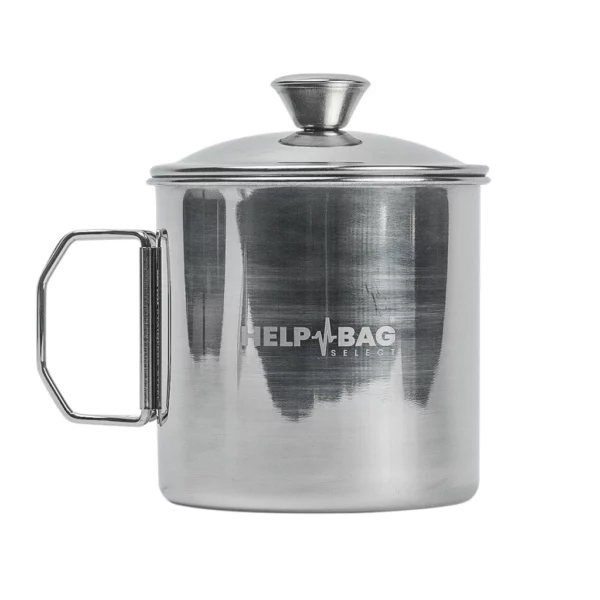 560 ml Stainless Steel Mug with Lid HELP BAGUS$12.99Products
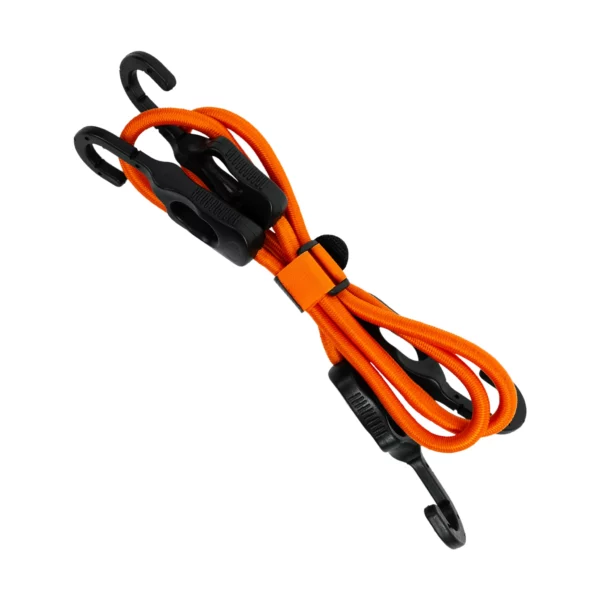 HELP BAG Flexible CablesUS$6.99Products
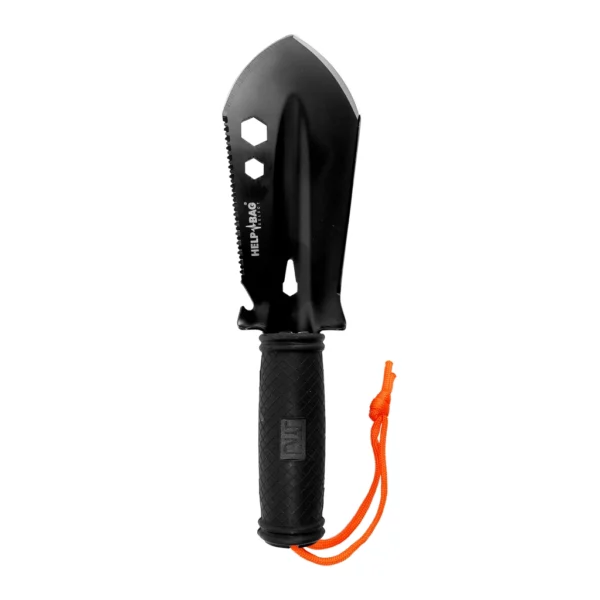 HELP BAG Steel ShovelUS$19.02Products
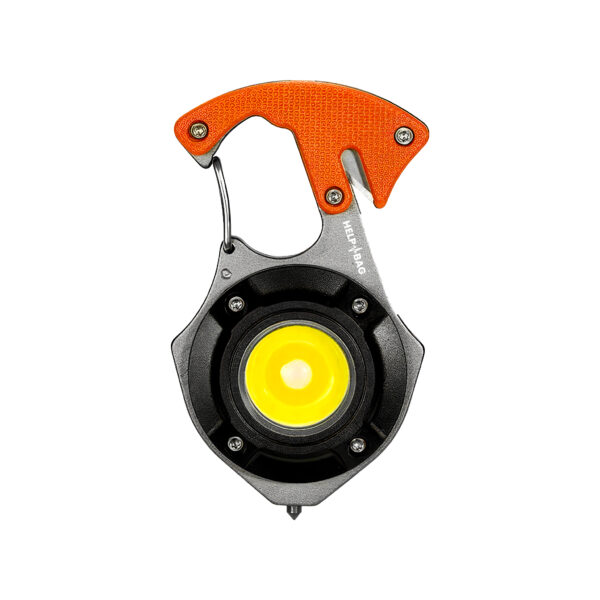 Emergency hammer with flashlight and chisel, model HELP BAGUS$26.99Products
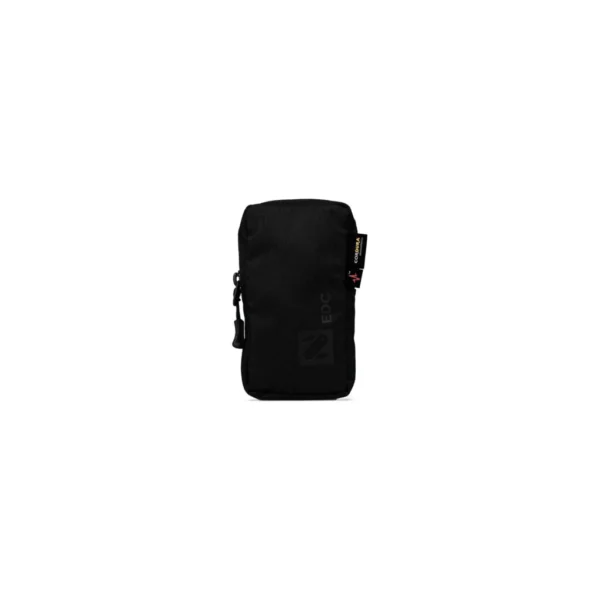 HELP BAG EDC ModuleUS$22.99Add-ons
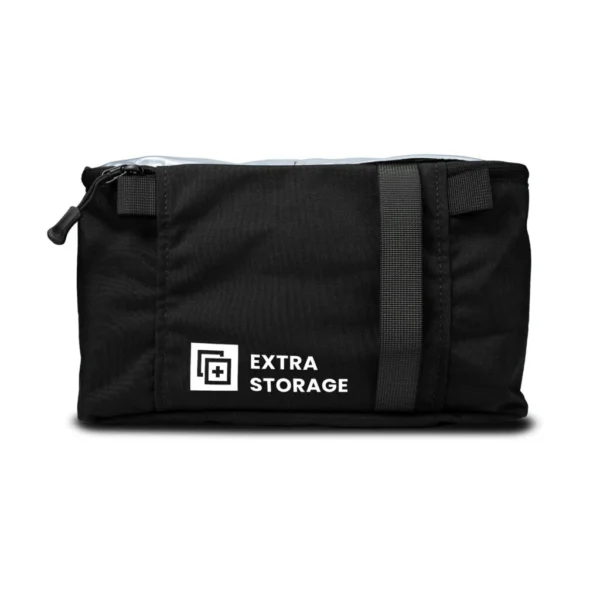 HELP BAG EXTRA STORAGE ModuleUS$24.99Add-ons
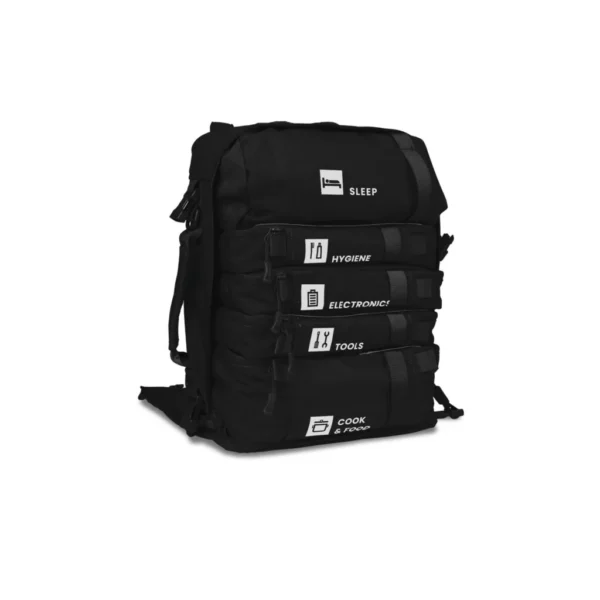 Modules 4.0 (Empty) HELP BAGUS$22.99Add-ons
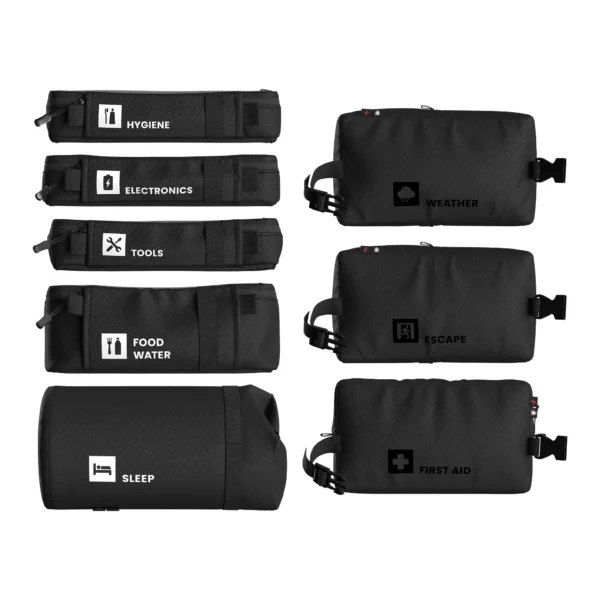 HELP BAG Modules (Empty)US$39.99Add-ons
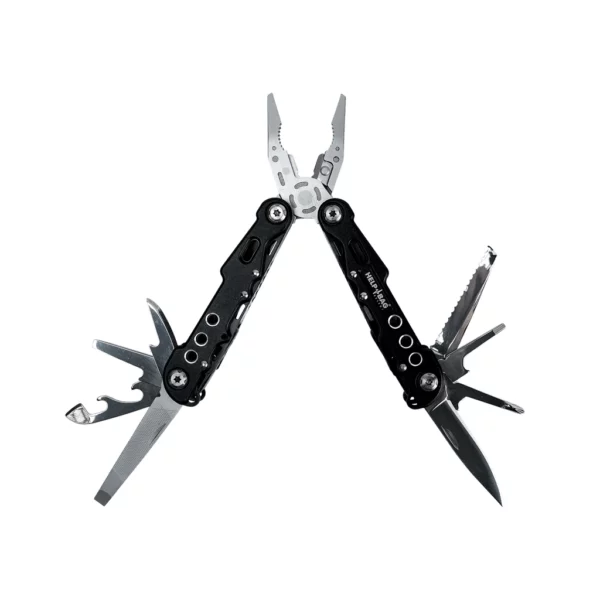 HELP BAG TITANIUM MultitoolUS$32.49Products
 Waterproof Notebook with Pencil HELP BAGUS$5.49Products
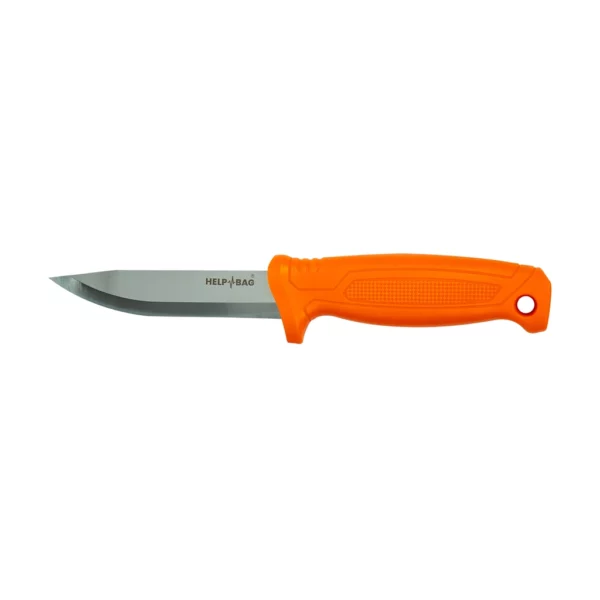 HELP BAG® Stainless Steel KnifeUS$13.58Products
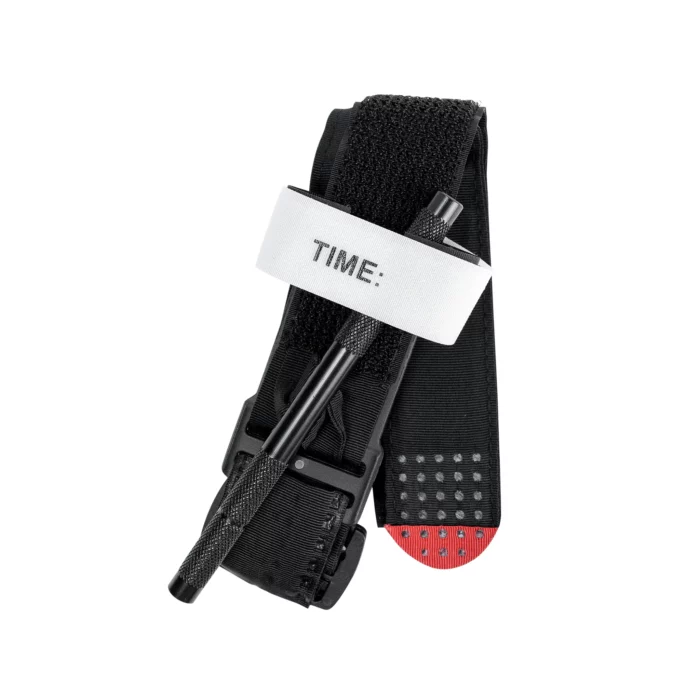
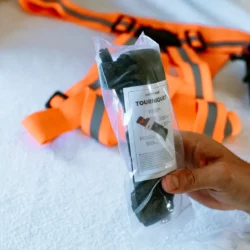
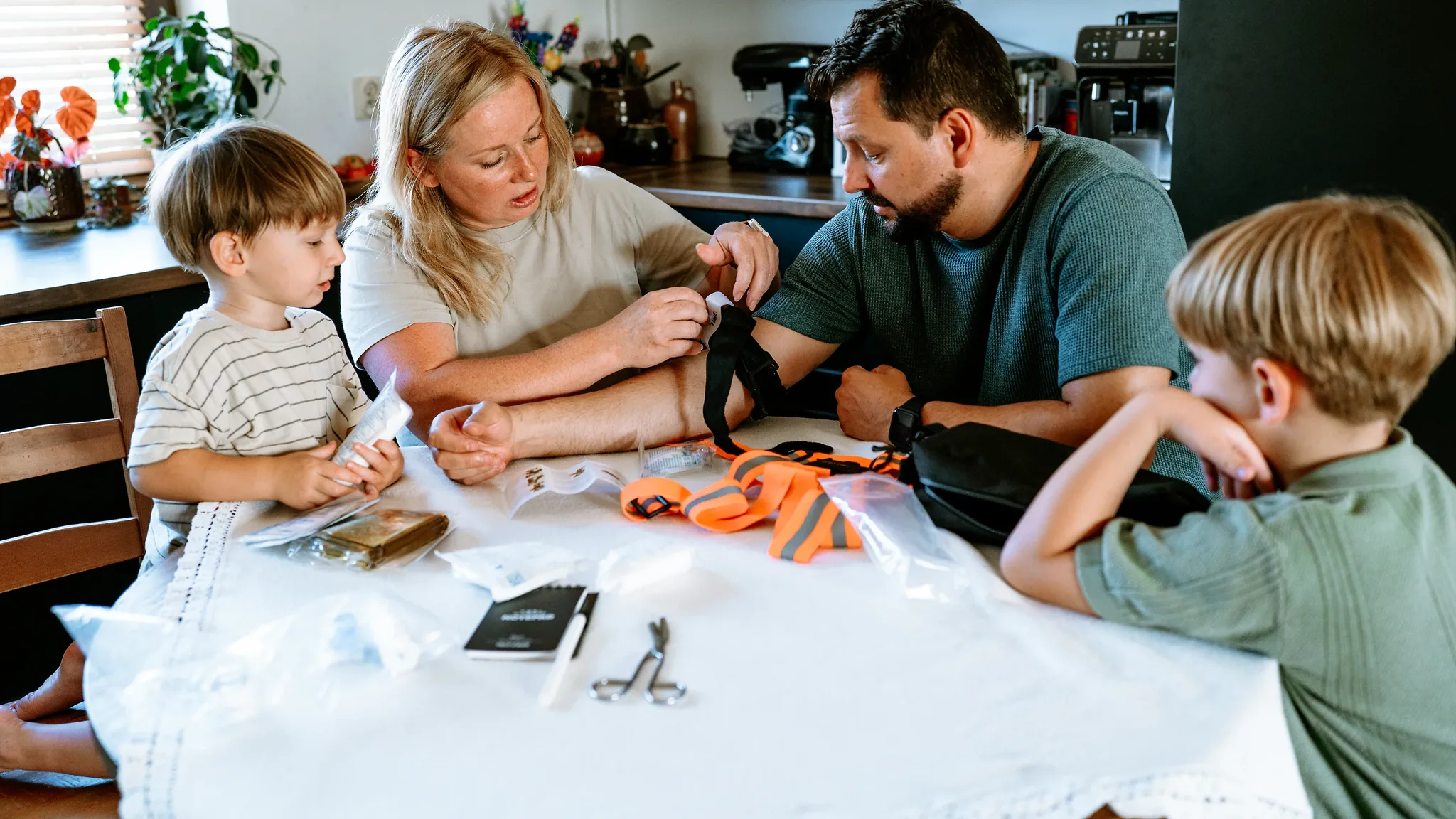
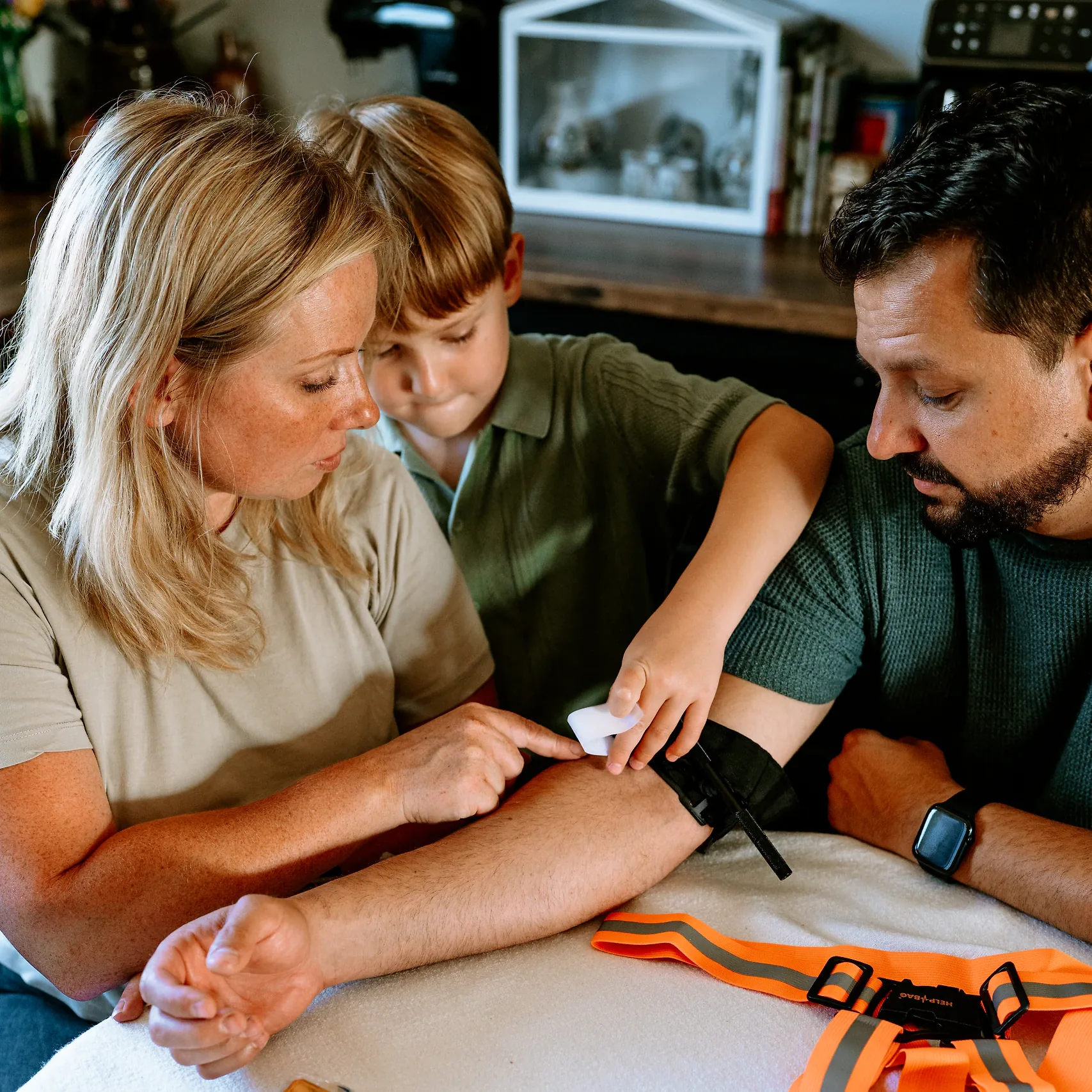
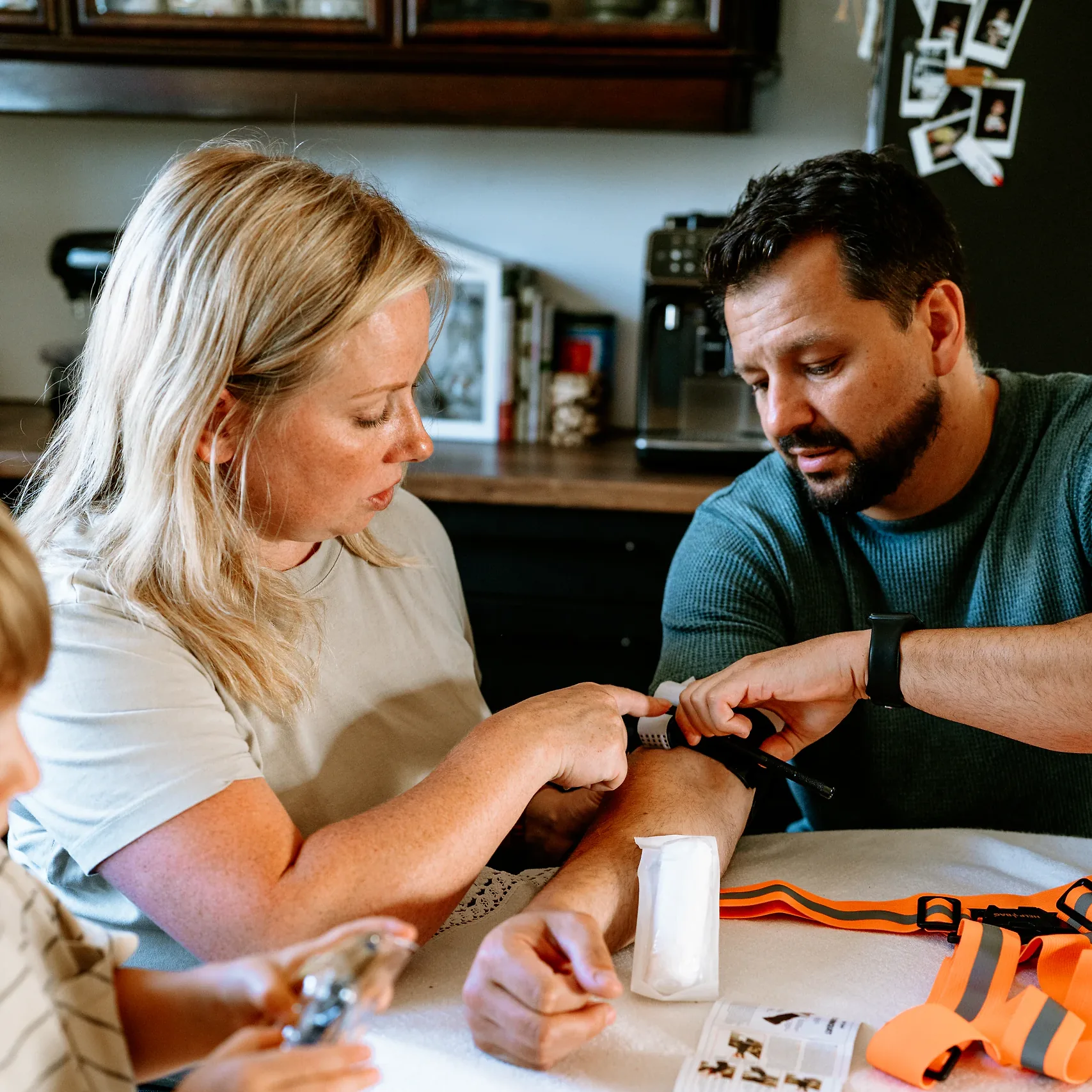
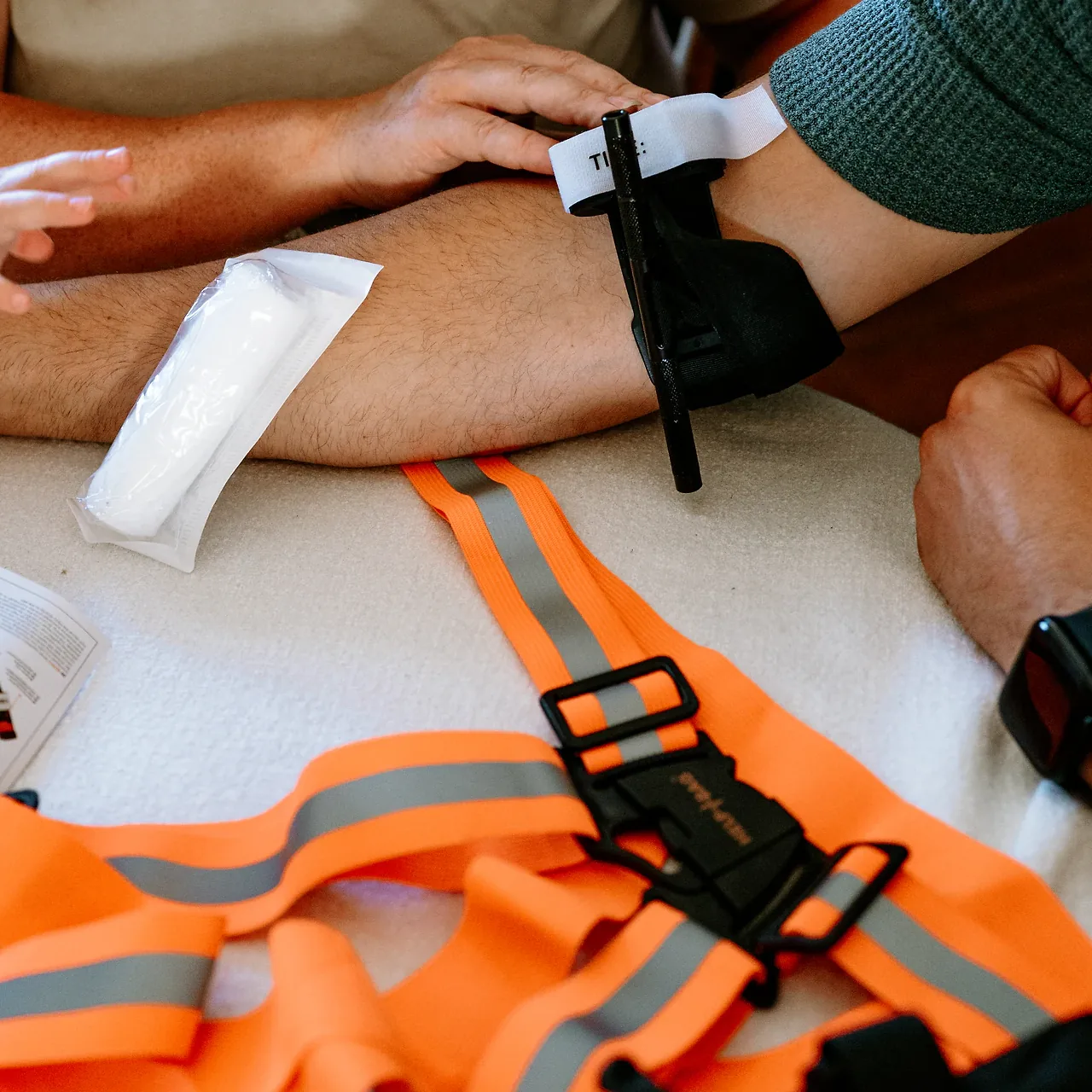
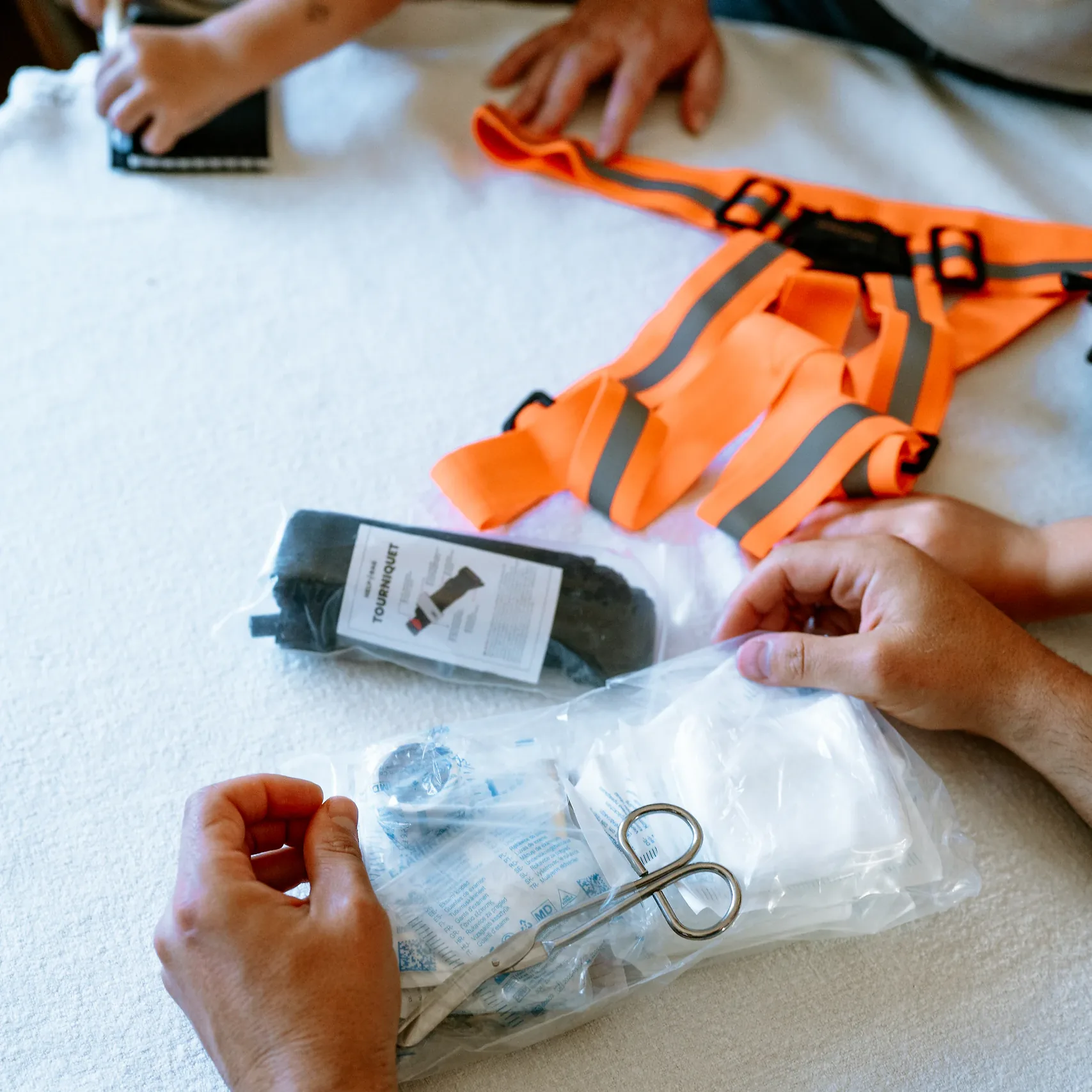
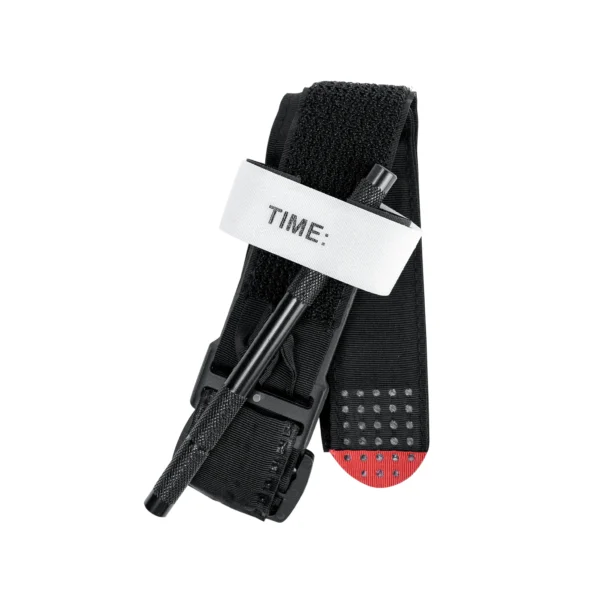 HELP BAG TourniquetUS$24.99Equipment
 HELP BAG Gas BurnerUS$18.99Products
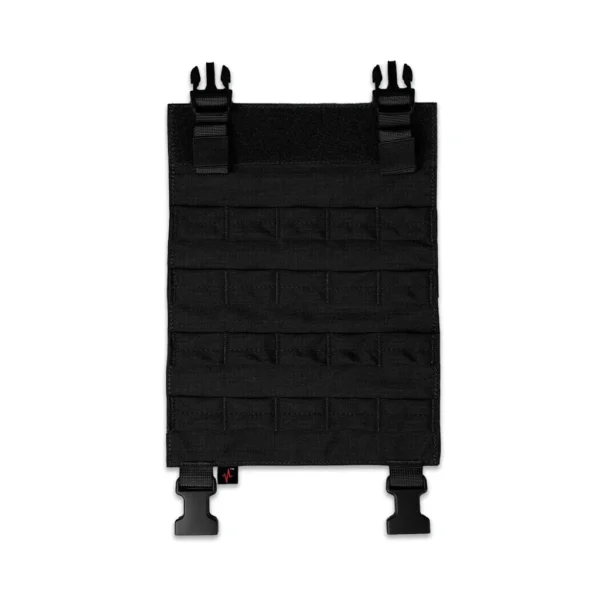 HELP BAG MOLLE PanelUS$22.99Add-ons
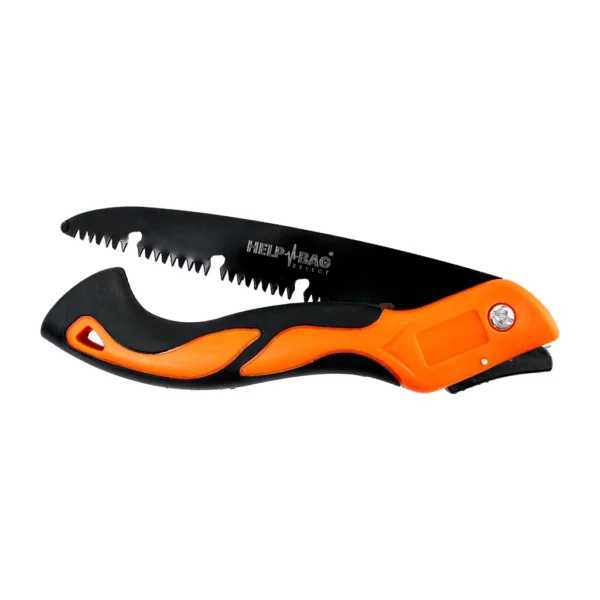 HELP BAG Wood SawUS$9.49Products
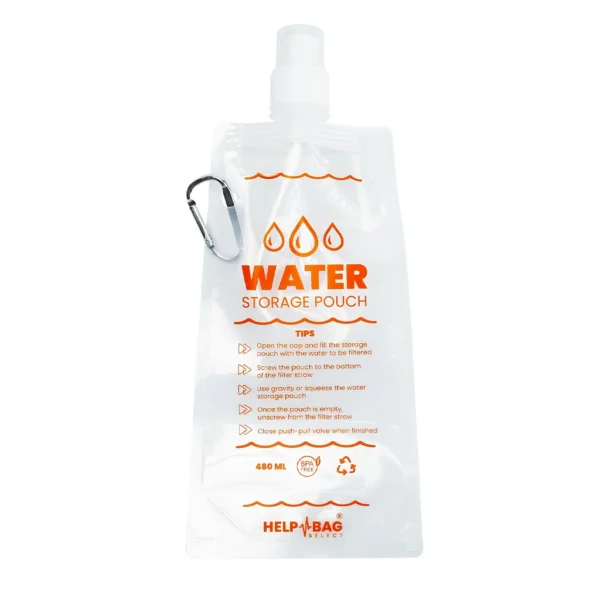 480 ml Water Container HELP BAGUS$3.99Products
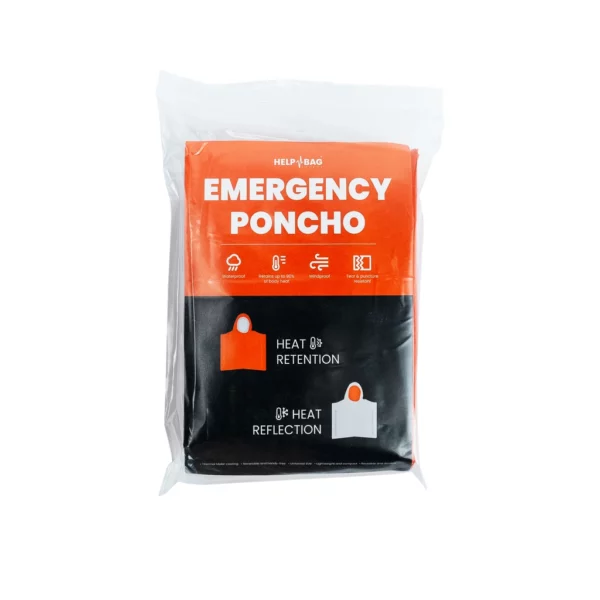 HELP BAG Emergency PonchoUS$10.99Products
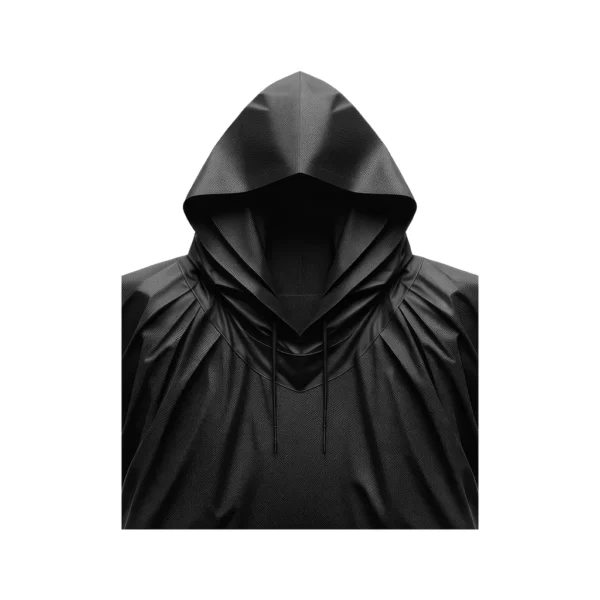 HELP BAG Rain PonchoUS$9.49Products
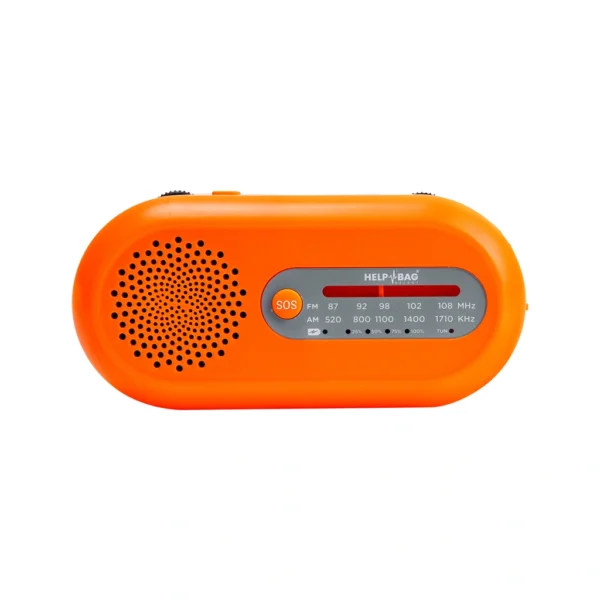 HELP BAG POWER PRO Dynamo-Powered RadioUS$29.99Add-ons
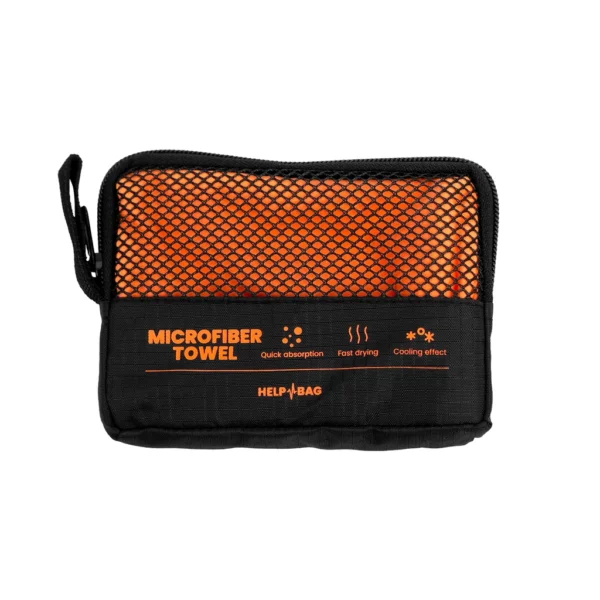 Microfiber Towel HELP BAGUS$6.99Products
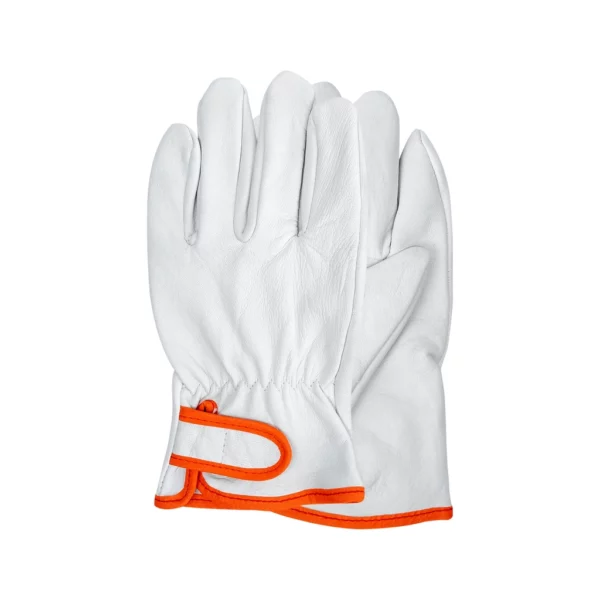 HELP BAG Leather GlovesUS$6.99Products
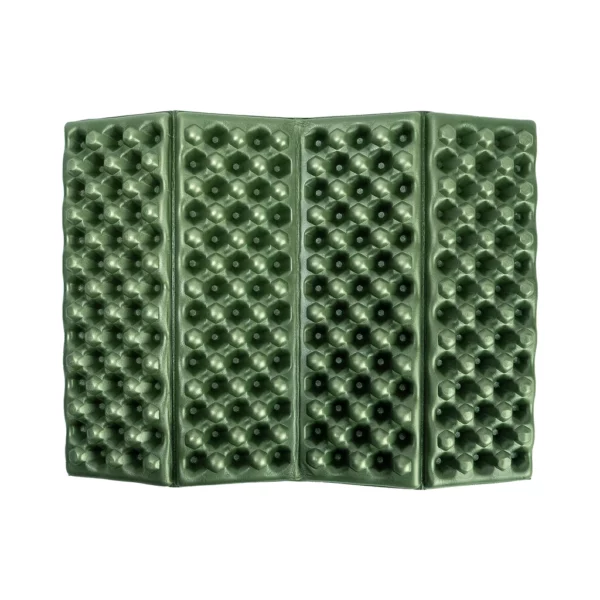 Foldable Seat Mat HELP BAGUS$9.99Products
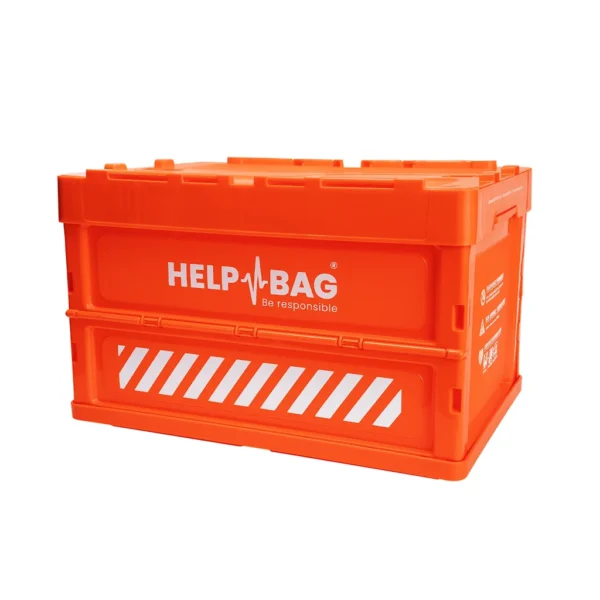 HELP BAG Emergency BoxUS$54.99Add-ons
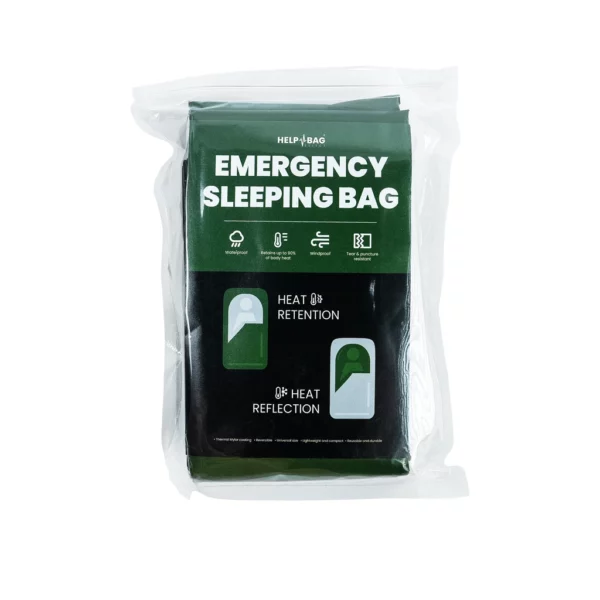 HELP BAG Emergency Sleeping BagUS$13.49Products
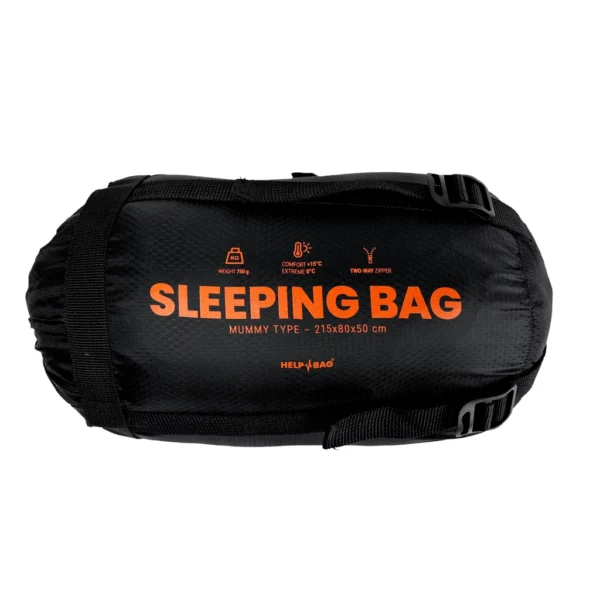 HELP BAG Sleeping BagUS$59.99Products
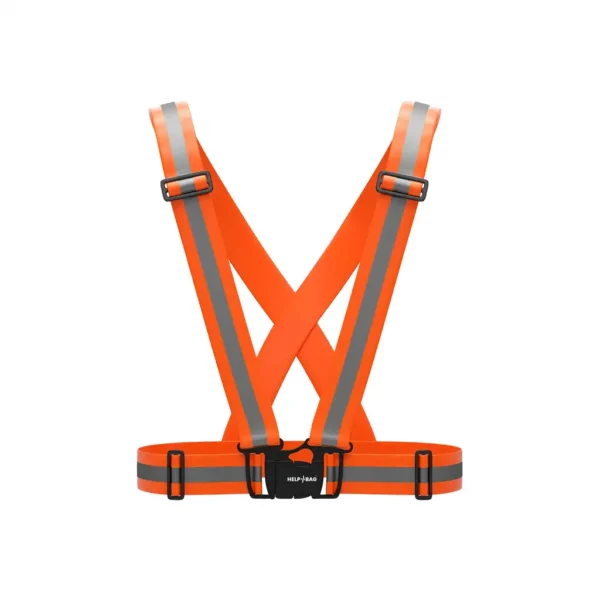 HELP BAG Reflective HarnessUS$8.99Products
 3-in-1 Cutlery HELP BAG®US$3.99Products
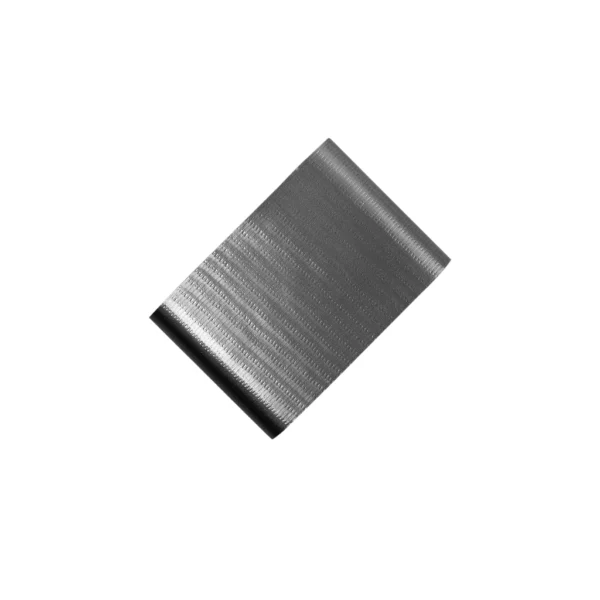 HELP BAG Repair TapeUS$4.49Products
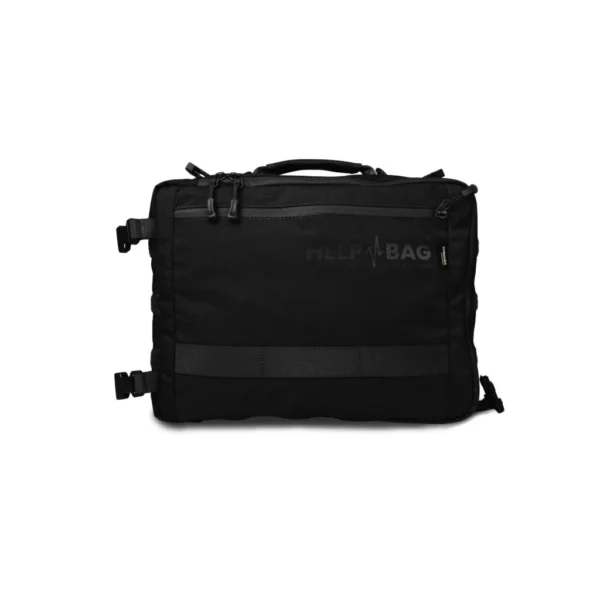 HELP BAG Emergency Bag Price range: US$54.99 through US$79.99Add-ons
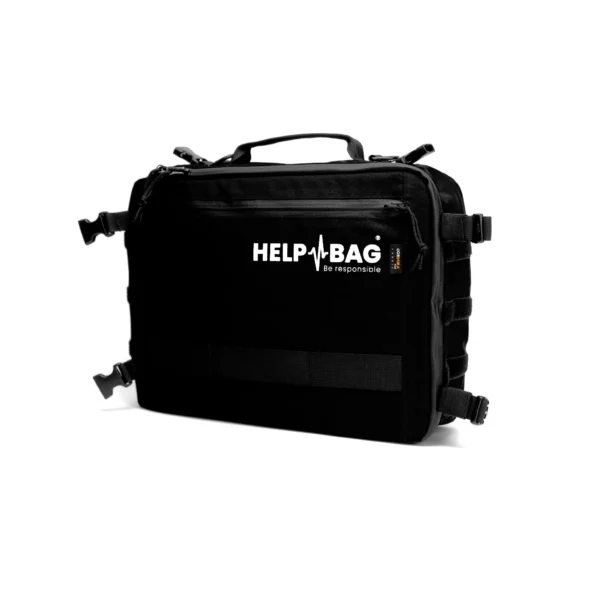 HELP BAG Emergency Bag (Outlet)US$39.99Outlet
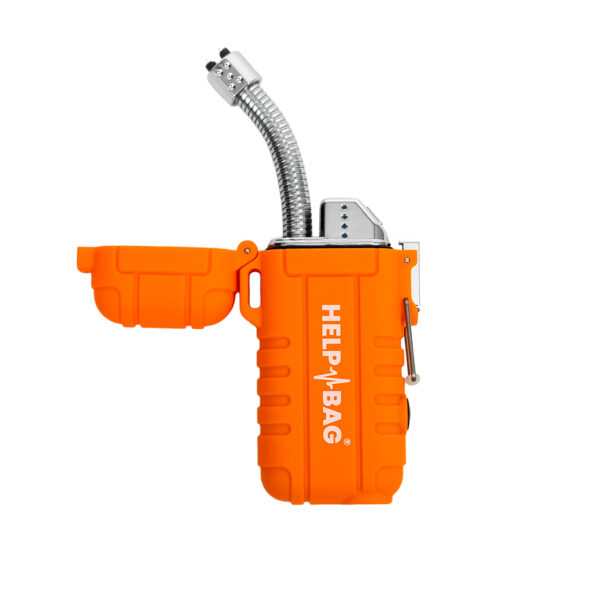 HELP BAG Plasma LighterUS$29.99Products
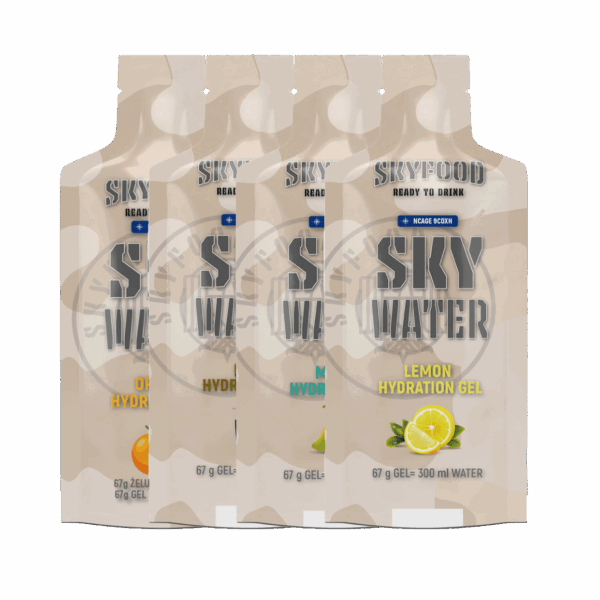 SkyFood SKYWATER Isotonic Hydration GelProducts
 HELP BAG BASIC Emergency KitUS$469.99Kits emergency backpack, go bag, emergency kit
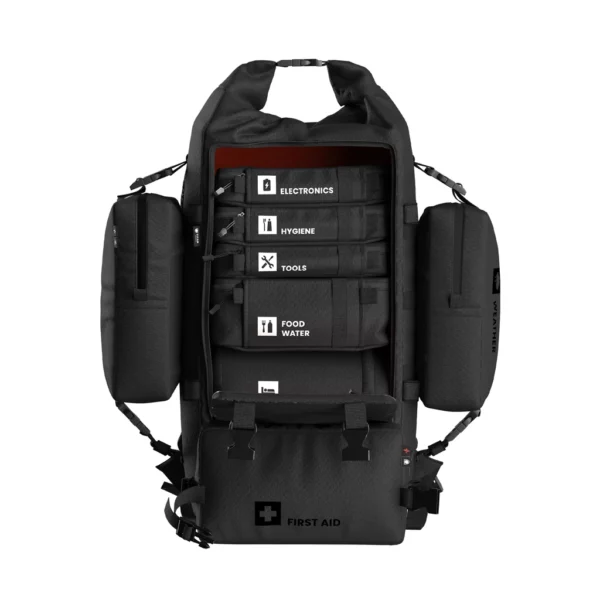 HELP BAG MAX PRO Emergency Kit (Empty)US$369.99Kits emergency backpack, go bag, emergency kit
We couldn't find anything. Try another word or call us: +48 535 399 596